Reference Electrode Guide
1. Introduction
In electrochemical measurements, the reference electrode serves as the foundation for all potential readings. While often treated as stable and maintenance-free, its performance is highly sensitive to electrolyte conditions, handling procedures, and storage practices.
Small deviations—such as electrolyte concentration or insufficient activation—can lead to measurable potential shifts, directly affecting data accuracy and reproducibility.
This guide covers three critical aspects of reference electrode usage:
· Potential variation under different electrolyte conditions
· Proper filling procedures
· Routine maintenance and storage
2. How Electrolyte Concentration Affects Potential
The potential of an Ag/AgCl reference electrode is governed by the activity of chloride ions (Cl⁻) in the internal electrolyte.
As the electrolyte concentration changes, the electrode potential shifts accordingly.
Key Insight
Higher Cl⁻ concentration → more stable and consistent potential
Lower concentration → increased deviation and reduced reproducibility
|
Electrolyte |
Stability |
Recommendation |
|
Saturated KCl |
Highest |
Recommended for most applications |
|
3M KCl |
Moderate |
Acceptable for routine testing |
|
1M KCl |
Lower |
Not ideal for high-precision work |
Important:
Data obtained using different electrolyte concentrations are not directly comparable.
3. Effect of Activation Time on Stability
Before conducting electrochemical measurements, a reference electrode requires sufficient time to equilibrate with its internal and external electrolyte environments. Selecting the correct filling solution concentration and allowing for adequate conditioning are both vital; a newly filled or improperly paired electrode often exhibits transient electrochemical instability if deployed immediately.
Understanding Electrolyte Matching and Equilibration
When preparing an Ag/AgCl reference electrode for analysis, several critical parameters must be synchronized at the interface:
·Selecting the Appropriate Concentration: The internal electrolyte concentration (typically 1 M KCl, 3 M KCl, or Saturated KCl) determines the electrode's baseline potential. The filling solution must strictly match the electrode's original design specifications, and the external test environment should ideally minimize concentration gradients across the junction to prevent unwanted liquid junction potentials.
·Hydration of the Junction: The porous ceramic frit (or liquid junction) must become fully saturated and wetted by the chosen electrolyte to establish a reliable, low-resistance conductive pathway.
· interfacial equilibrium:The Ag/AgCl sensing element requires time to establish a stable thermodynamic equilibrium potential with the surrounding chloride ions (Cl-) at that specific concentration.
Performance Analysis: Short vs. Extended Activation
·Short Activation (e.g., 10 Minutes): If the electrode is activated for only a short period, or if a fresh filling solution of a different concentration was recently introduced, the internal and external environments at the liquid junction remain in a dynamic state of flux. This typically manifests as a continuous baseline potential drift or slow response during subsequent measurements, which can compromise data reproducibility.
·Extended Activation (e.g., 2 Hours): Allowing the electrode to soak for an extended period ensures that the hydration of the porous tip is complete, any minor concentration discrepancies within the junction are resolved, and the liquid junction potential has fully stabilized. This extended conditioning yields a highly stable, linear baseline and reproducible potential readings.
Best Practice
To ensure the highest accuracy and reproducibility in your experiments, always use the exact electrolyte concentration specified for your reference electrode model. Never mix different electrolyte concentrations during refilling, and always allow adequate activation time prior to testing. Specific recommendations regarding the appropriate filling solution and required activation duration for your particular model can be found directly on our product page. Please refer to the product page guidelines before making any critical measurements.
4. How to Properly Refill the Electrolyte
Proper filling ensures consistent ion exchange and stable potential.
Procedure
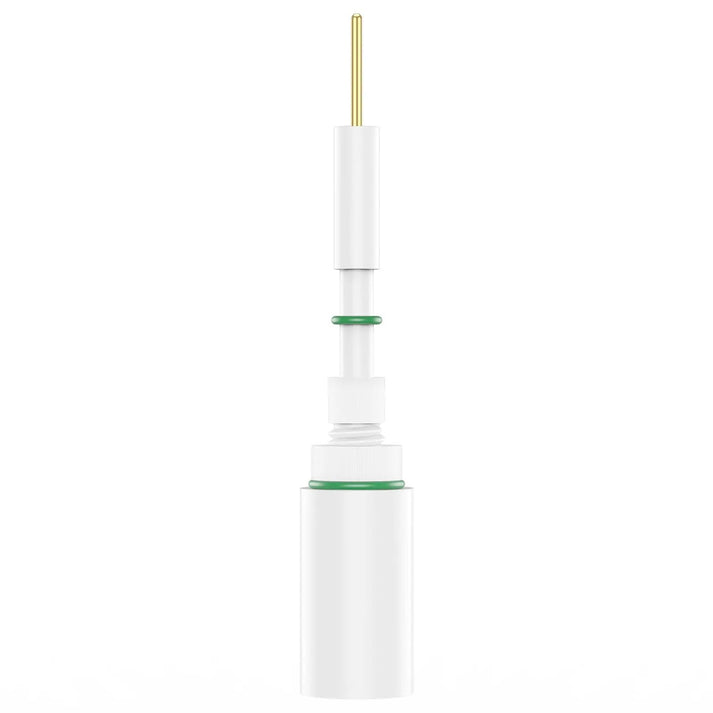
1. Remove the PTFE adapter
2. Add the correct electrolyte (match original concentration)
3. Fit the PTFE adapter
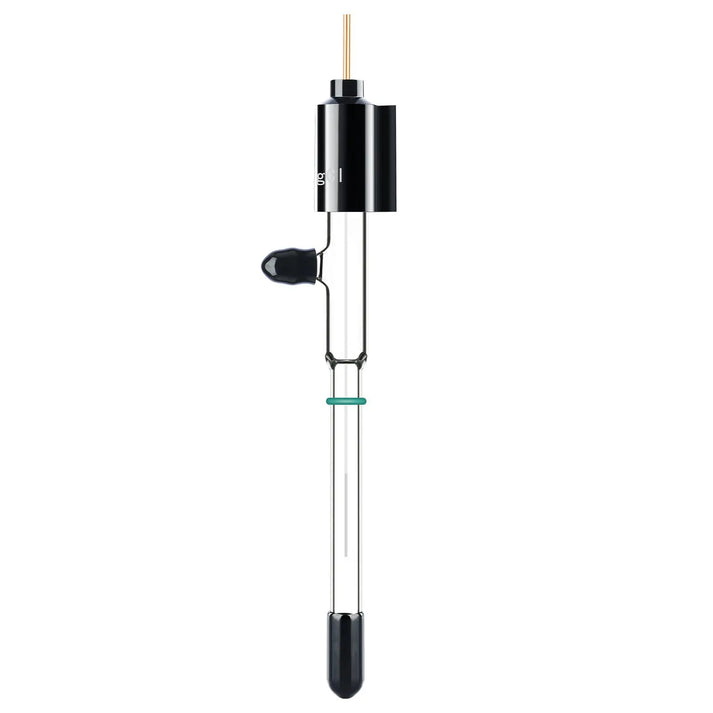
4. Remove the black rubber cap (Expose the brown sand core)
5. Immersed in the correct electrolyte for 120 min
Common Mistakes to Avoid
· Mixing different electrolyte concentrations
· Operating with low electrolyte level
These issues can introduce significant measurement errors.
5. Routine Calibration and Performance Check
Regular verification is essential to ensure reliable results.
Recommended Practices
· Test against a known standard system
· Monitor for potential drift or slow response
· Replace electrolyte if contamination is suspected
A drifting reference electrode compromises the validity of all measurements.
6. Proper Storage and Maintenance
Reference electrodes should be stored under appropriate conditions to maintain performance and extend service life.
· Store at room temperature in a clean, dry, and light-protected environment
· It is recommended to keep the electrode in its original stonylab storage case when not in use
For Long-Term Storage
· Keep the junction (porous tip) immersed in a suitable electrolyte solution
· Do not store the electrode dry
This prevents dehydration of the junction, which can lead to unstable potential or permanent damage
7. Conclusion
Accurate electrochemical measurements depend on a properly maintained reference electrode.
To ensure reliable performance:
· Use the correct electrolyte concentration
· Allow sufficient activation time
· Follow proper filling procedures
· Maintain and store the electrode correctly
StonyLab provides a full range of electrochemical solutions, helping you achieve consistent and dependable results in every experiment.