

1. Introduction
Selecting the right electrode is essential for achieving reliable and reproducible electrochemical results. Different electrode materials and coatings exhibit distinct catalytic activities, oxidation behaviors, corrosion resistance, and operating characteristics.
Titanium-based electrodes are widely used in electrochemical research, industrial electrolysis, electroplating, and wastewater treatment. Functional coatings applied to titanium substrates enable electrodes to support specific electrochemical reactions, including chlorine evolution, oxygen evolution, and organic pollutant oxidation.
In this Essential Class, we introduce seven types of titanium-based electrodes, explain their key characteristics and applications, and provide practical guidance to help researchers select suitable electrodes for their experiments.
2. Understanding Titanium-Based Electrodes
Titanium-based electrodes consist of a titanium substrate and, in coated designs, a functional surface layer.
Titanium Substrate
The titanium substrate provides mechanical support and electrical conduction. Common configurations include mesh, plate, tube, and rod structures.
Functional Coating
The coating determines much of the electrode's surface electrochemical behavior, including catalytic activity, reaction selectivity, and corrosion resistance.
Different coatings are associated with different electrochemical reactions:
- Chlorine Evolution Reaction (CER): Oxidation of chloride ions to chlorine.
- Oxygen Evolution Reaction (OER): Electrochemical generation of oxygen.
- Electrochemical Oxidation: Oxidation of organic compounds through direct electron transfer or reactive oxidizing species.
- General Electrocatalysis: Investigation of electrode reactions and catalytic performance.
Ru–Ir/Ti and Ir–Ta/Ti are typical examples of Mixed Metal Oxide (MMO) coated anodes. Platinum, lead dioxide, tin-antimony oxide, and titanium suboxide coatings provide additional material options for electrochemical research.
3. Types of Titanium-Based Electrodes
3.1 Ruthenium–Iridium Coated Titanium Anode (Ru–Ir/Ti)
Primary Function: Chlorine Evolution
Ruthenium–iridium coated titanium anodes are commonly used in chloride-containing electrolytes. RuO₂ provides catalytic activity for chloride oxidation, while IrO₂ contributes to the electrochemical characteristics and stability of the coating.
These electrodes are particularly suitable for anodic reactions involving chlorine evolution or active chlorine generation.
Key Characteristics
- Catalytic activity for chlorine evolution.
- Relatively low chlorine evolution overpotential.
- Suitable for selected chloride-containing electrolytes.
- Dimensionally stable titanium substrate.
Technical Specifications
|
Parameter |
Specification |
|
Coating Composition |
RuO₂ + IrO₂ + Additional Oxides |
|
Coating Thickness |
6–15 μm |
|
Noble Metal Loading |
8–25 g/m² |
|
Applicable Current Density |
Below 3,000 A/m² |
|
Accelerated Service Life |
80–120 h |
Typical Applications
- Chlorine evolution research.
- Sodium hypochlorite generation.
- Electrochemical disinfection.
- Chloride-containing wastewater treatment.
- Electrochemical oxidation involving active chlorine.
When to Choose Ru–Ir/Ti
Consider Ru–Ir/Ti electrodes when your experiment focuses on chlorine evolution or electrochemical reactions involving chloride ions, particularly active chlorine generation in aqueous electrolytes.
3.2 Iridium–Tantalum Coated Titanium Anode (Ir–Ta/Ti)
Primary Function: Oxygen Evolution
Iridium–tantalum coated titanium anodes are commonly designed for oxygen evolution. IrO₂ provides catalytic activity for the oxygen evolution reaction, while tantalum oxide contributes to the structural stability of the coating.
Compared with chlorine-evolving Ru–Ir coatings, Ir–Ta coatings are more commonly associated with oxygen-evolving applications.
Key Characteristics
- Suitable for oxygen evolution research.
- Corrosion-resistant coating design.
- Applicable to selected acidic and sulfate-containing electrolytes.
- Suitable for electrochemical systems requiring anodic oxygen generation.
Technical Specifications
|
Parameter |
Specification |
|
Coating Composition |
IrO₂ + Ta₂O₅ + Additional Oxides |
|
Coating Thickness |
6–15 μm |
|
Noble Metal Loading |
15–40 g/m² |
|
Applicable Current Density |
Below 20,000 A/m² |
|
Accelerated Service Life |
300–400 h |
Typical Applications
- Oxygen evolution reaction studies.
- Acidic electrolysis research.
- Electrolytic copper foil production.
- Electroplating processes.
- Industrial electrochemical process development.
When to Choose Ir–Ta/Ti
Consider Ir–Ta/Ti electrodes when oxygen evolution is the primary anodic reaction, particularly in electrochemical systems requiring an oxide-coated titanium anode.
3.3 Platinum-Coated Titanium Electrode (Pt/Ti)
Primary Function: General Electrocatalysis and Electrolysis
Platinum-coated titanium electrodes combine the catalytic properties of platinum with the mechanical support of titanium.
Platinum is widely used in electrochemical research because of its catalytic activity for various reactions, including hydrogen evolution and selected anodic oxidation processes.
Key Characteristics
- Platinum surface with electrocatalytic activity.
- Applicable to selected anodic and cathodic reactions.
- Suitable for laboratory electrochemical research.
- Available in different electrode geometries.
Technical Specifications
|
Parameter |
Specification |
|
Coating Material |
Platinum (Pt) |
|
Coating Thickness |
1–3 μm |
|
Noble Metal Loading |
Above 15 g/m² |
|
Applicable Current Density |
Below 5,000 A/m² |
Typical Applications
- Electrocatalysis research.
- Electroplating experiments.
- Hydrogen evolution studies.
- General laboratory electrolysis.
- Electrochemical reaction evaluation.
When to Choose Pt/Ti
Consider Pt/Ti when a platinum-coated conductive electrode is required for general electrochemical research or specific catalytic reactions.
Although platinum can participate in both anodic and cathodic processes, suitability for polarity reversal depends on the electrolyte, operating potential, and coating durability.
3.4 Lead Dioxide Coated Titanium Anode (PbO₂/Ti)
Primary Function: Electrochemical Oxidation
Lead dioxide coated titanium electrodes are widely investigated for electrochemical oxidation due to their relatively high oxygen evolution overpotential and ability to support oxidation reactions.
These properties make PbO₂ electrodes relevant for research involving difficult-to-degrade organic pollutants.
Key Characteristics·
- Relatively high oxygen evolution overpotential.
- Suitable for electrochemical advanced oxidation research.
- Titanium mesh substrate provides mechanical support.
- Applicable to selected wastewater treatment experiments.
Technical Specifications
|
Parameter |
Specification |
|
Coating Material |
PbO₂ |
|
Substrate |
Titanium Mesh |
|
Coating Thickness |
0.2–0.5 mm |
|
Applicable Current Density |
Below 5,000 A/m² |
|
Sulfuric Acid Concentration |
Below 30% |
Typical Applications
- Electrochemical advanced oxidation.
- Organic pollutant degradation.
- Industrial wastewater treatment research.
- High-oxidation-potential electrode studies.
When to Choose PbO₂/Ti
Consider PbO₂/Ti for experiments focused on anodic oxidation and pollutant degradation.
Safety Consideration: Lead dioxide contains lead. Appropriate precautions should be taken to manage possible lead release, coating damage, and lead-containing waste.
3.5 Tin–Antimony Oxide Coated Titanium Anode (Sn–Sb/Ti)
Primary Function: Organic Pollutant Oxidation
Tin-antimony oxide coated titanium electrodes are studied for electrochemical advanced oxidation. Their surface chemistry makes them suitable for investigating oxidation reactions involving organic pollutants.
Unlike electrodes primarily designed for efficient oxygen evolution, Sn–Sb oxide coatings are often investigated for their pollutant oxidation behavior.
Key Characteristics
- Suitable for electrochemical advanced oxidation research.
- Applicable to organic pollutant degradation studies.
- An alternative to noble-metal-based coatings for selected applications.
- Useful for comparing anodic oxidation mechanisms.
Technical Specifications
|
Parameter |
Specification |
|
Coating Composition |
SnO₂ + Sb₂O₃ |
|
Substrate |
Titanium Mesh |
|
Substrate Thickness |
1 mm |
|
Operating Voltage |
1–15 V |
|
Operating Current |
1–20 A |
Typical Applications
- Organic pollutant degradation.
- Dye wastewater treatment research.
- Electrochemical advanced oxidation.
- Environmental electrochemistry.
When to Choose Sn–Sb/Ti
Consider Sn–Sb/Ti when your research focuses on electrochemical degradation of organic compounds or comparison of different oxidation anodes.
3.6 Titanium Suboxide Coated Titanium Anode (Ti₄O₇/Ti)
Primary Function: Electrochemical Advanced Oxidation
Titanium suboxide electrodes containing Ti₄O₇ have attracted research interest because Magnéli-phase titanium oxides exhibit relatively high electrical conductivity.
Ti₄O₇ is a conductive titanium oxide rather than a conventional mixed-metal-oxide coating.
When applied to a titanium substrate, it provides a functional surface for studying anodic oxidation reactions.
Key Characteristics
- Conductive Ti₄O₇ coating.
- Suitable for electrochemical oxidation research.
- Applicable to environmental electrochemistry studies.
- Available in mesh and plate configurations.
Technical Specifications
|
Parameter |
Specification |
|
Coating Material |
Titanium Suboxide (Ti₄O₇) |
|
Substrate |
Titanium |
|
Substrate Thickness |
1 mm |
|
Operating Voltage |
1–15 V |
|
Operating Current |
1–20 A |
Typical Applications
- Electrochemical advanced oxidation.
- Organic pollutant degradation.
- Wastewater treatment research.
- Electrode material evaluation.
- Environmental electrochemistry.
When to Choose Ti₄O₇/Ti
Consider Ti₄O₇-coated titanium electrodes when investigating conductive oxide coatings, anodic oxidation, or electrochemical degradation mechanisms.
Coating adhesion, electrochemical stability, and electrolyte compatibility should be considered when designing long-term experiments.
3.7 Pure Titanium Electrode
Primary Function: Electrode Substrate and Selected Cathodic Applications
Unlike coated titanium electrodes, pure titanium electrodes do not contain an additional functional catalytic coating.
Titanium offers mechanical strength and corrosion resistance, making it useful as a substrate for coated electrodes and in selected cathodic applications.
However, titanium readily forms a passive oxide film, which can influence its electrochemical behavior.
Key Characteristics
- Uncoated titanium surface.
- Mechanical strength and corrosion resistance.
- Suitable as a substrate for functional coatings.
- Applicable to selected electrochemical experiments.
Technical Specifications
|
Parameter |
Specification |
|
Material |
Pure Titanium |
|
Thickness |
1 mm |
|
Operating Voltage |
1–15 V |
|
Operating Current |
1–10 A |
Typical Applications
- Titanium electrode substrate research.
- Selected cathodic electrochemical processes.
- Electrode material comparison.
- Laboratory electrochemical experiments.
When to Choose Pure Titanium
Consider pure titanium when an uncoated titanium substrate is required or when the electrochemical system is compatible with titanium's surface properties.
Pure titanium should not be considered a direct replacement for functional coated anodes in applications requiring specific catalytic activity.
4. Electrode Comparison: Which Material Fits Your Research?
Different electrode coatings are associated with different electrochemical reactions and applications.
|
Electrode |
Primary Research Focus |
Typical Applications |
|
Ru–Ir/Ti |
Chlorine Evolution (CER) |
Active chlorine generation, disinfection |
|
Ir–Ta/Ti |
Oxygen Evolution (OER) |
Oxygen evolution, electrolysis |
|
Pt/Ti |
Electrocatalysis |
Electrochemical research, electroplating |
|
PbO₂/Ti |
Anodic Oxidation |
Refractory pollutant degradation |
|
Sn–Sb/Ti |
Organic Oxidation |
Wastewater treatment research |
|
Ti₄O₇/Ti |
Advanced Oxidation |
Environmental electrochemistry |
|
Pure Titanium |
Substrate / Selected Cathode |
Electrode substrates, laboratory experiments |
Actual electrode performance depends on coating composition, electrolyte conditions, current density, and experimental requirements.
5. How to Choose the Right Electrode
Step 1: Identify Your Target Reaction
Start by identifying the main electrochemical reaction required by your experiment.
Chlorine Evolution: Consider Ru–Ir/Ti.
Oxygen Evolution: Consider Ir–Ta/Ti.
General Electrocatalysis: Consider Pt/Ti when platinum is compatible with the intended reaction.
Organic Pollutant Oxidation: Consider Sn–Sb/Ti, Ti₄O₇/Ti, or PbO₂/Ti.
Electrode Substrate Research: Consider pure titanium.
Step 2: Check Electrolyte Compatibility
Electrolyte composition strongly influences electrode behavior.
Important factors include:
- Electrolyte pH.
- Chloride concentration.
- Sulfate and other dissolved ions.
- Operating temperature.
- Applied electrode potential.
For example, chloride-containing electrolytes may promote chlorine evolution on suitable catalytic coatings, while other electrolytes may favor oxygen evolution or different oxidation pathways.
Step 3: Select Mesh or Plate
Titanium Mesh
Mesh electrodes allow electrolyte to pass through the open structure and are suitable for selected flow-through electrochemical systems.
Titanium Plate
Plate electrodes provide a continuous electrode surface and are convenient for conventional electrochemical cells and geometric area calculations.
The appropriate structure depends on electrolyte flow, reactor geometry, and electrode installation requirements.
Step 4: Evaluate Operating Conditions
Before selecting an electrode, consider:
- Required current density.
- Electrolyte compatibility.
- Coating stability.
- Operating temperature.
- Expected electrode lifetime.
- Electrical connection requirements.
6. Electrode Handling and Maintenance
- Proper handling helps reduce unnecessary damage to coated titanium electrodes.
- Avoid scratching, bending, or mechanically damaging coated surfaces.
- Handle electrodes with clean gloves.
- Avoid contamination from metal particles.
- Follow appropriate cleaning and storage procedures.
- Inspect coating integrity before and after extended electrolysis experiments.
- Avoid prolonged exposure to incompatible electrolytes.
- For lead dioxide electrodes, additional precautions are required when handling lead-containing residues and waste.
7. Custom Electrode Solutions
Different electrochemical reactors require different electrode dimensions and geometries.
stonylab supports customized titanium-based electrodes for research applications.
Customization Options
- Electrode dimensions.
- Mesh and plate configurations.
- Custom shapes and geometries.
- Coating materials.
- Electrical connection designs.
For customized electrodes, please provide the required dimensions, electrode shape, coating type, and intended experimental application.
8. Conclusion
Titanium-based electrodes offer a wide range of material options for electrochemical research. Selecting the right electrode requires understanding the intended reaction and the characteristics of each coating.
Ru–Ir/Ti electrodes are commonly associated with chlorine evolution, while Ir–Ta/Ti electrodes are frequently used for oxygen evolution. Pt/Ti electrodes provide options for general electrocatalysis, while PbO₂/Ti, Sn–Sb/Ti, and Ti₄O₇/Ti electrodes are relevant to electrochemical oxidation and environmental research.
Pure titanium provides additional flexibility for electrode substrate applications and selected cathodic processes.
By considering coating composition, electrolyte compatibility, electrode geometry, and operating conditions, researchers can select suitable electrodes more effectively.
Explore StonyLab's titanium-based electrodes to find materials and customized solutions for your research.
Related Products:
Titanium Mesh with Mixed Ruthenium-Iridium Oxide Coating (RuO2 80%, IrO2 20%), 50x50x1 mm |
Iridium Tantalum Coated Titanium Mesh/Sheet Electrode (Nano-Coated, Oxygen Evolution Anode), 50 x 100 x 1 mm / Mesh |
Platinized Titanium Mesh/Sheet Electrode, 50 x 100 x 1 mm, for Electrolysis Anode or Cathode / Mesh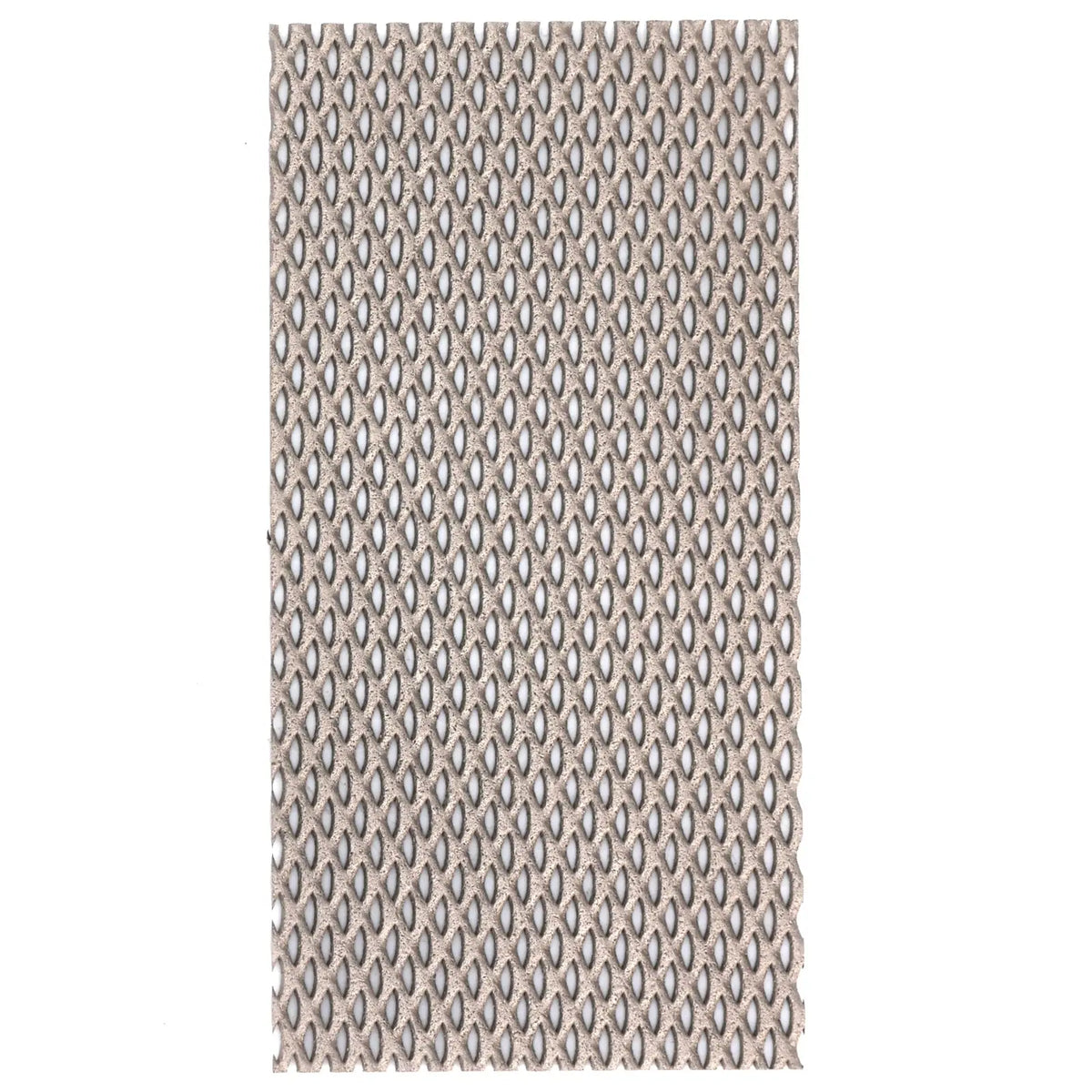 |
Tin Antimony Coated Titanium Mesh/Sheet Anode (Sn:Sb = 9:1), SnO2-Sb2O3 Nano-Coated, for Wastewater Treatment, 50 x 100 x 1 mm |
Ti4O7 Titanium Suboxide Coated Titanium Anode, Mesh / Plate Electrode, 1 mm Thick, for Electrochemical Oxidation |
High-Purity Titanium Mesh/Sheet Cathode Electrode (Uncoated), 50 x 100 x 1 mm, for Electrolysis |